Rock Testing
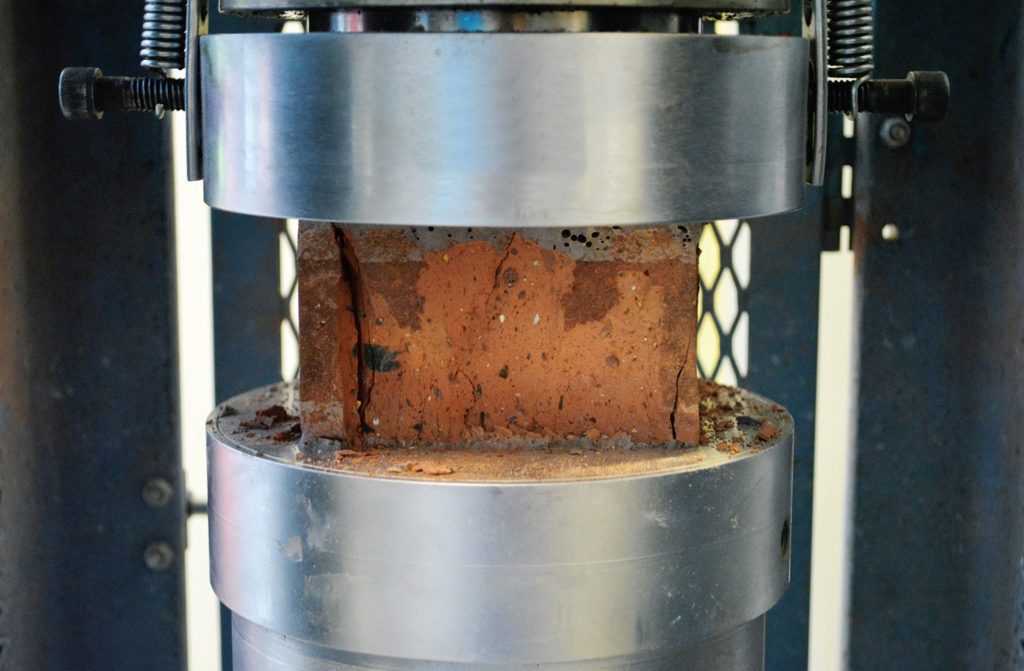
Compressive Strength
Compressive strength is the capacity of a soil or rock sample to withstand loads that tend to reduce its size. It is one of the most critical parameters evaluated during geotechnical investigations to assess the bearing capacity and stability of soils and rocks used for foundations and earth structures.
-
Helps determine bearing capacity of soil.
-
Used to design foundations, retaining walls, and slopes.
-
Laboratory tests: Unconfined Compression Test (UCT) for cohesive soils and Triaxial Compression Test for detailed analysis.
Abrasivity Index
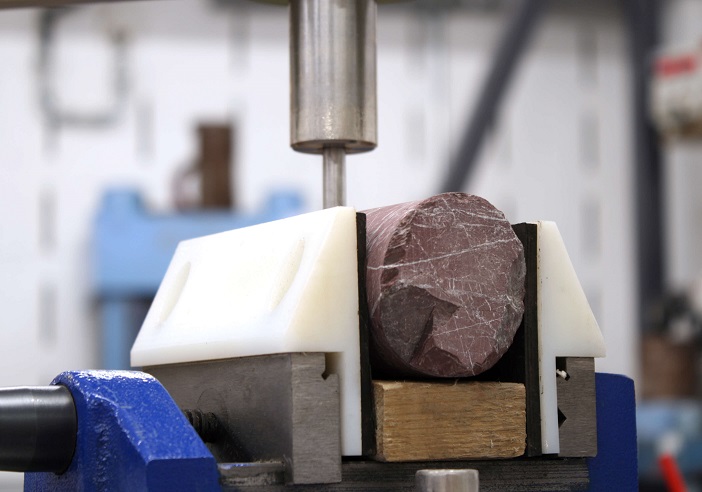
The Abrasivity Index is a measure of a material’s (especially rock or soil) ability to cause wear on tools, machinery, or cutting equipment. It is particularly important in tunneling, drilling, mining, and geotechnical engineering.
-
A hardened steel stylus is pressed against the rock surface under a fixed load.
-
The stylus is drawn over a 10 mm path.
-
The width of the wear mark on the stylus tip is measured.
-
CAI is then calculated.
Porosity Test
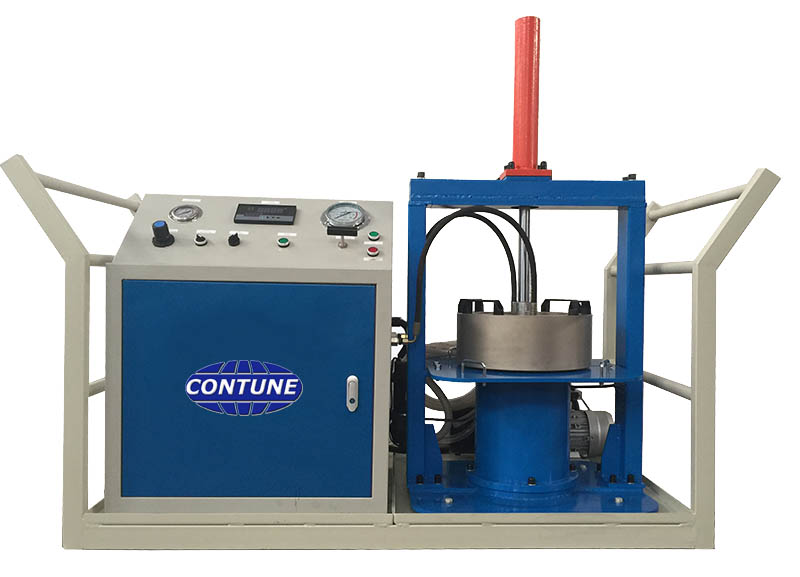
Porosity is a key physical property of soil, rock, or other porous materials, indicating how much void space exists within a material. This test is essential in geotechnical, petroleum, hydrogeological, and civil engineering investigations.
-
Understand water retention capacity.
-
Evaluate permeability and fluid flow in soils and rocks.
-
Determine storage potential in aquifers or reservoirs.

Density Test
The Density Test is conducted to determine the mass per unit volume of soil, rock, or construction materials. It is a crucial parameter in geotechnical, civil, and construction engineering as it influences strength, compaction, and stability.
-
Assess soil compaction quality.
-
Estimate bearing capacity.
-
Design earthworks, foundations, embankments, etc.
Soundness Tests
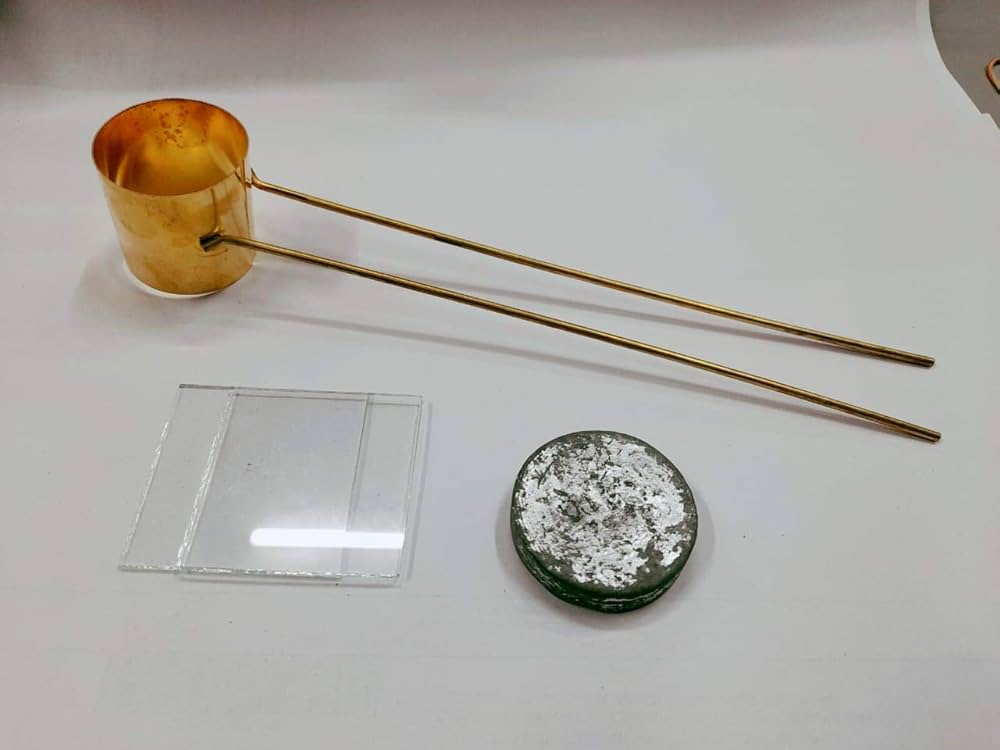
Soundness Tests are conducted to determine the ability of aggregates or cement to resist weathering actions, especially alternate wetting and drying, freezing and thawing, or chemical attack. It ensures that materials used in construction remain stable over time without disintegration.
-
To ensure durability of concrete or pavement.
-
To evaluate resistance to volume changes due to environmental exposure.
-
To avoid cracking, spalling, or scaling in structures.