Chemical Analysis
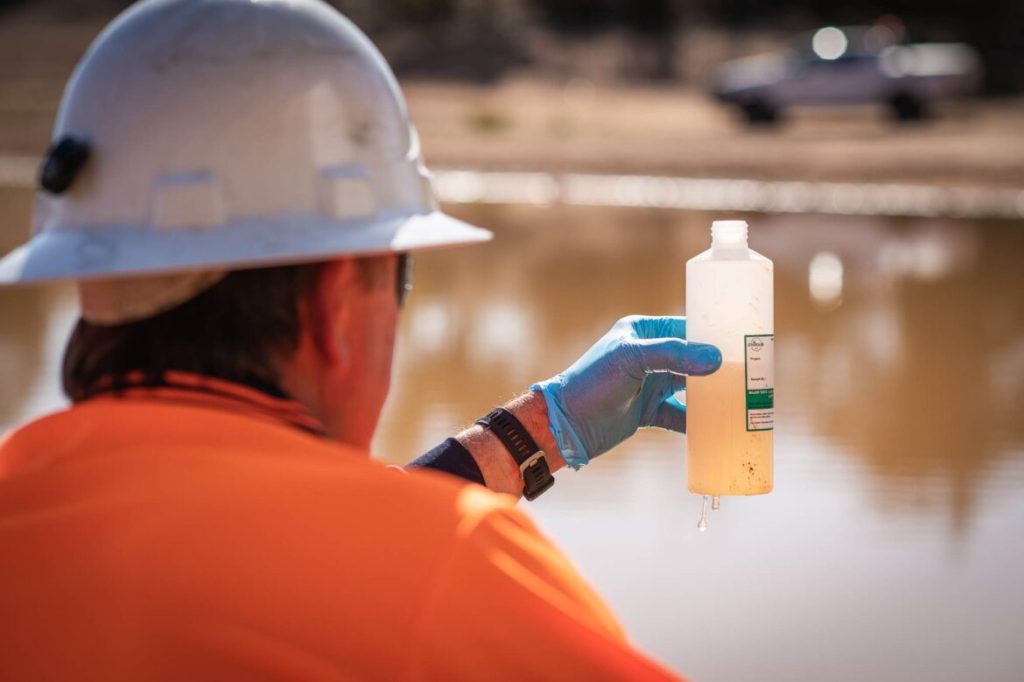
Construction Water Testing
Water used in construction (for concrete mixing, curing, and mortar preparation) must be free from harmful impurities such as acids, alkalis, salts, organic matter, and suspended solids. Poor-quality water can significantly weaken concrete and steel reinforcements.
-
Prevents corrosion of reinforcement steel
-
Avoids reduction in concrete strength
-
Ensures proper cement hydration
-
Prevents surface defects (e.g., efflorescence, cracks)
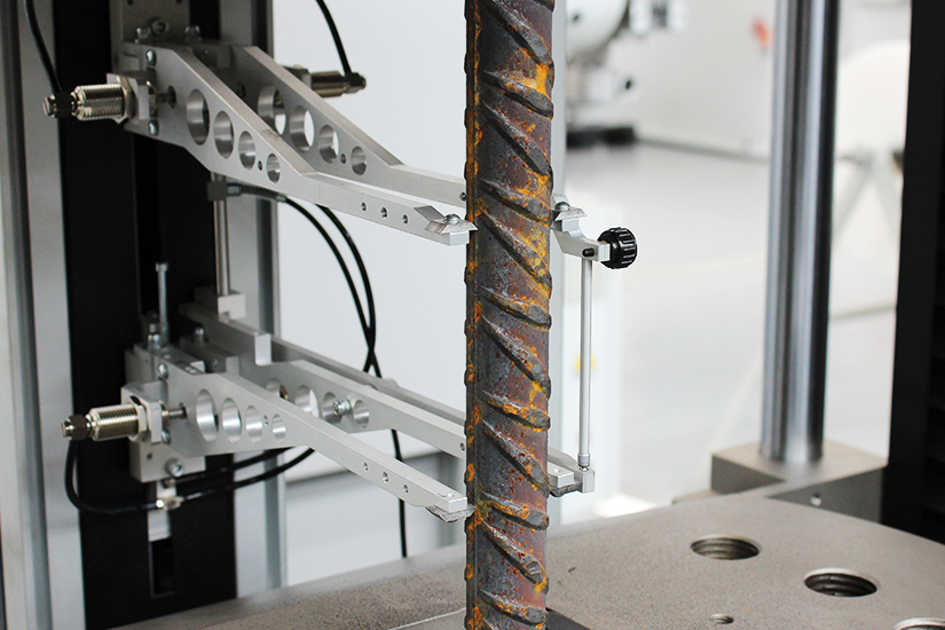
Steel Testing
Steel testing is essential in civil engineering to verify that reinforcement bars (rebar) and structural steel meet the strength, ductility, and chemical requirements necessary for safe and durable construction.
-
Confirms compliance with IS standards
-
Ensures load-bearing capacity
-
Prevents structural failure
-
Detects manufacturing defects, corrosion, or substandard materials
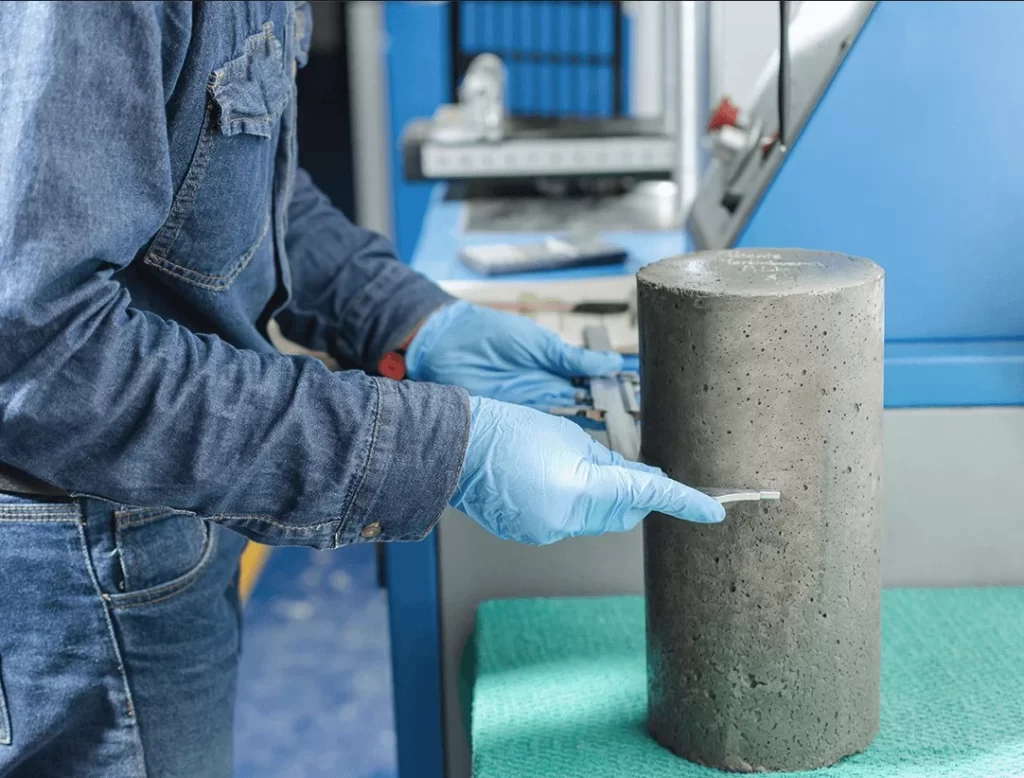
Fly Ash Testing
Fly ash is a fine powder by-product from coal combustion in thermal power plants. It is widely used in construction as a cement replacement (pozzolan), and in fly ash bricks, RMC, and road embankments. Testing is crucial to ensure strength, durability, and environmental safety.
-
Confirms suitability for concrete or brick applications
-
Verifies compliance with IS 3812 (Part 1 & 2)
-
Ensures pozzolanic activity, chemical safety, and fineness
-
Prevents issues like delayed setting, low strength, or toxicity
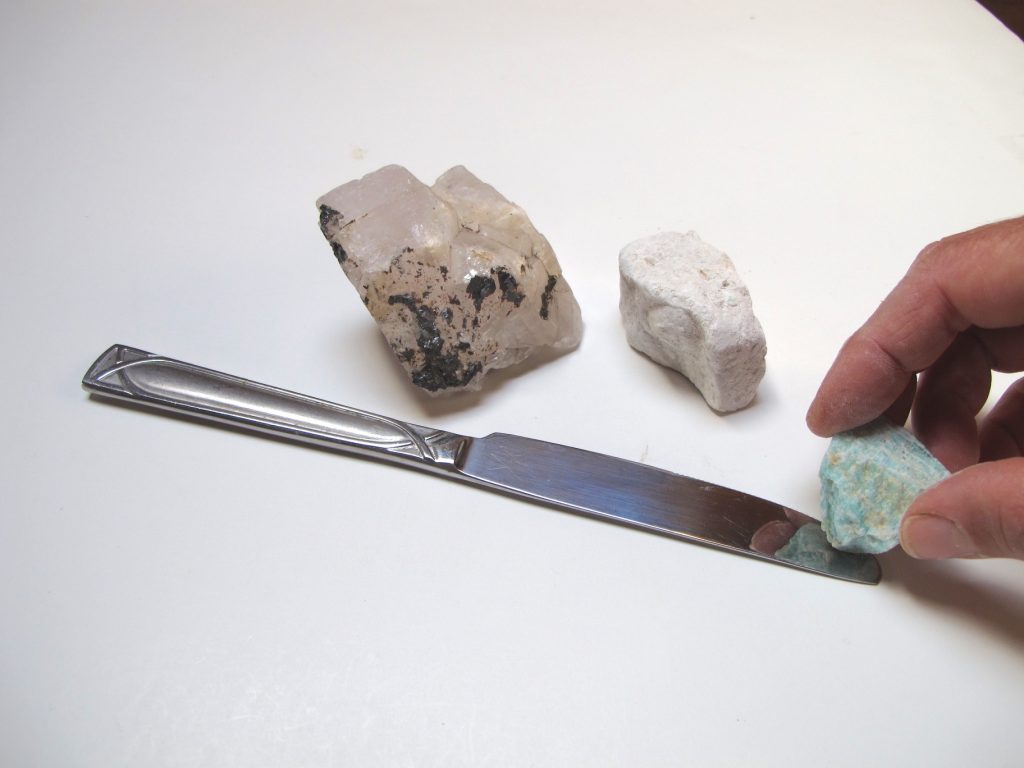
Minarals Testing
Minerals testing involves identifying and analyzing chemical composition, physical properties, and suitability of various natural resources (like silica, lime, gypsum, bauxite, etc.) for construction, cement production, metallurgy, and industrial use.
-
Confirms purity and grade of minerals
-
Determines suitability for specific applications
-
Helps in resource classification (ore vs gangue)
-
Ensures compliance with BIS/ASTM/ISO standards
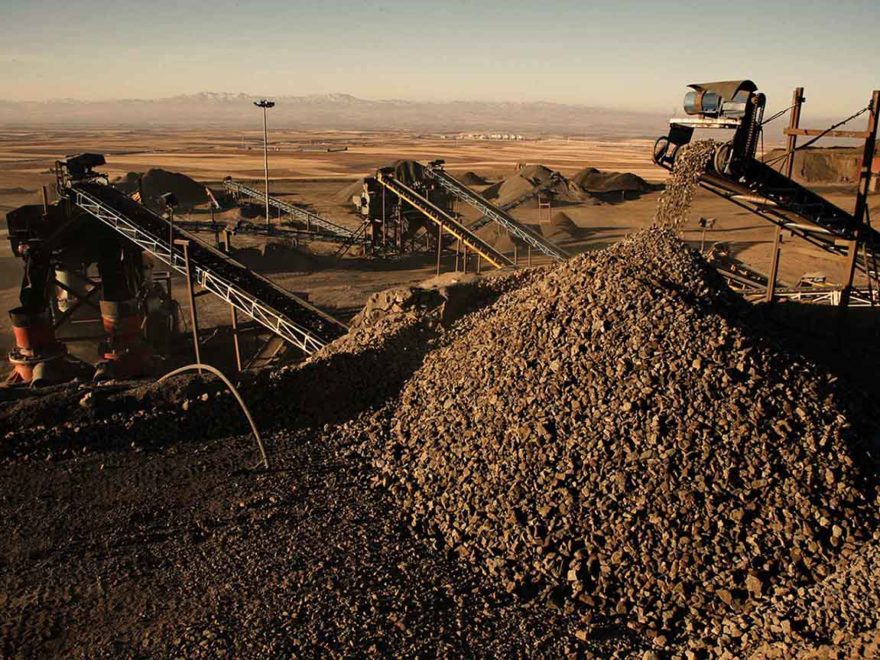
Ores Testing
Ores are naturally occurring rocks that contain valuable metals or minerals extractable economically. Testing of ores is critical in mining, metallurgy, geotechnical engineering, and industrial processing to determine grade, metal content, economic viability, and suitability for beneficiation or smelting.
-
Determines metal content (e.g., Fe, Cu, Al, Zn, Mn)
-
Helps in ore beneficiation and extraction planning
-
Confirms economic feasibility
-
Detects toxic or unwanted elements (e.g., arsenic, sulfur)
-
Ensures compliance with mining regulations