Soil Testing
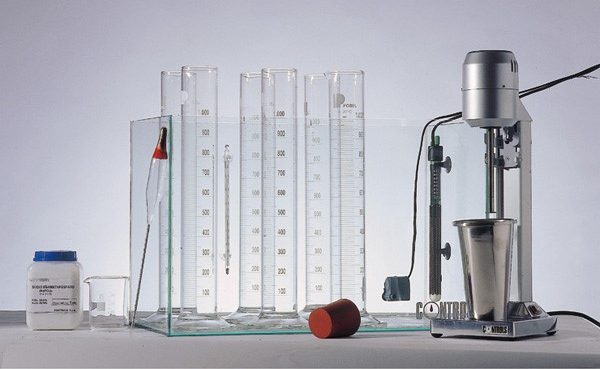
Grain Size Analysis
Grain size analysis is a method used in various scientific fields—especially geology, sedimentology, soil science, and materials science—to determine the distribution of particle sizes in a given sample. The goal is to understand the texture, origin, transport history, and depositional environment of sediments or to assess the quality and properties of a material.
Geology & Sedimentology: Classifying sediment types (e.g., sand, silt, clay), interpreting depositional environments (e.g., river, beach, desert).
Soil Science: Determining soil texture which affects water retention and root penetration.
Civil Engineering: Evaluating foundation materials or aggregates for concrete and asphalt.
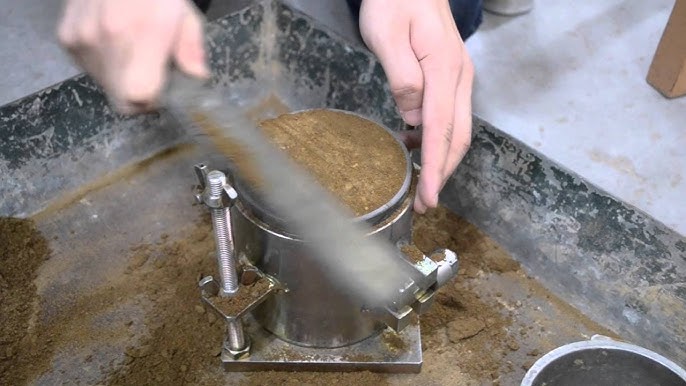
Proctor Test
The Proctor Test is a laboratory method used primarily in geotechnical engineering to determine the optimum moisture content (OMC) at which a soil type will become most dense and achieve its maximum dry density (MDD) through compaction. This test is essential for the construction of eart
To find the moisture content at which a soil achieves maximum dry density.
To determine how well a soil will compact under a given force.
To establish the compaction curve for quality control during field compaction.
The Proctor Test is a laboratory method used primarily in geotechnical engineering to determine the optimum moisture content (OMC) at which a soil type will become most dense and achieve its maximum dry density (MDD) through compaction. This test is essential for the construction of eart

Permiability Test
The Permeability Test is a key laboratory or field procedure in geotechnical engineering used to determine the rate at which water flows through soil. The test measures a soil’s coefficient of permeability (also called hydraulic conductivity, kkk), which is crucial for analyzing drainage, seepage, slope stability, and foundation behavior.
To design drainage systems
For seepage analysis in dams, levees, and embankments
To determine suitable construction materials
To assess contaminant transport in groundwater
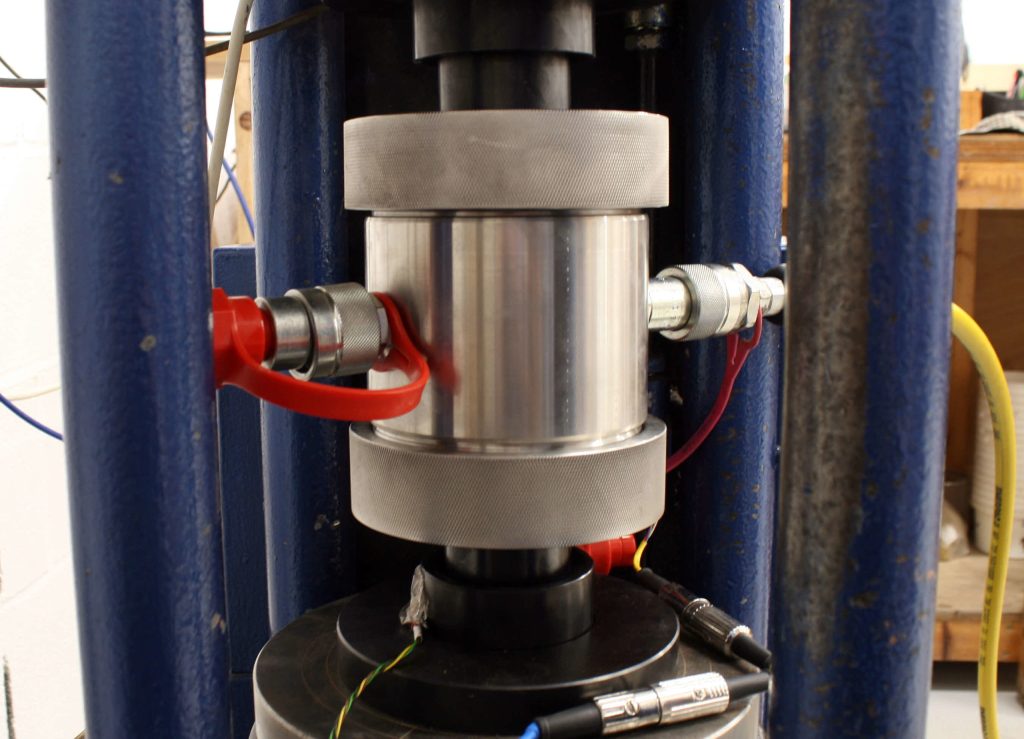
Triaxial Compression Test
The Permeability Test is a key laboratory or field procedure in geotechnical engineering used to determine the rate at which water flows through soil. The test measures a soil’s coefficient of permeability (also called hydraulic conductivity, kkk), which is crucial for analyzing drainage, seepage, slope stability, and foundation behavior.
To design drainage systems
For seepage analysis in dams, levees, and embankments
To determine suitable construction materials
To assess contaminant transport in groundwater
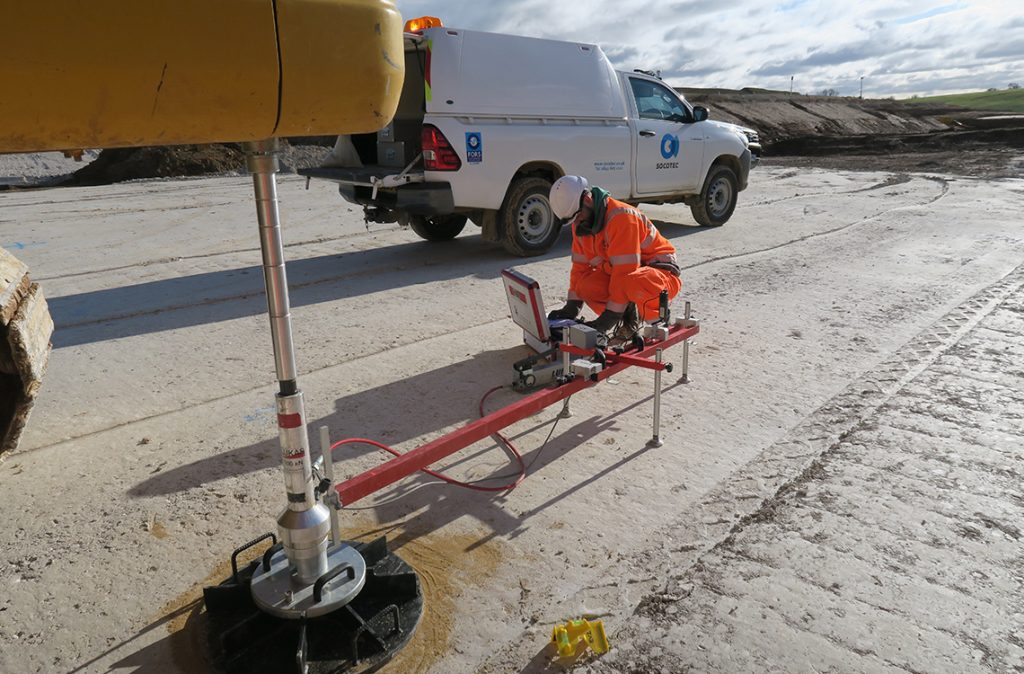
CBR Test
The CBR Test (California Bearing Ratio test) is a penetration test used in geotechnical engineering to evaluate the strength of subgrade soil, sub-base, and base course materials for pavement design—especially for roads and airfields.
Assess the load-bearing capacity of soil used in pavement layers.
Provide input for pavement thickness design.
Compare in-situ or lab-prepared soils to a standard crushed stone.